Memory&Dementia

Introduction
Health issues rarely appear overnight—they build quietly over time. A small rise in blood pressure, a missed medication, or subtle fatigue can be early signs of something serious. But traditional care often reacts after problems occur. Proactive monitoring changes that story, helping people stay one step ahead of health challenges before they become crises.
Sign 1: Subtle Changes Go Unnoticed
Between doctor visits, a lot can happen. A patient may feel fine today and face a major issue next week. These unnoticed fluctuations can lead to complications.
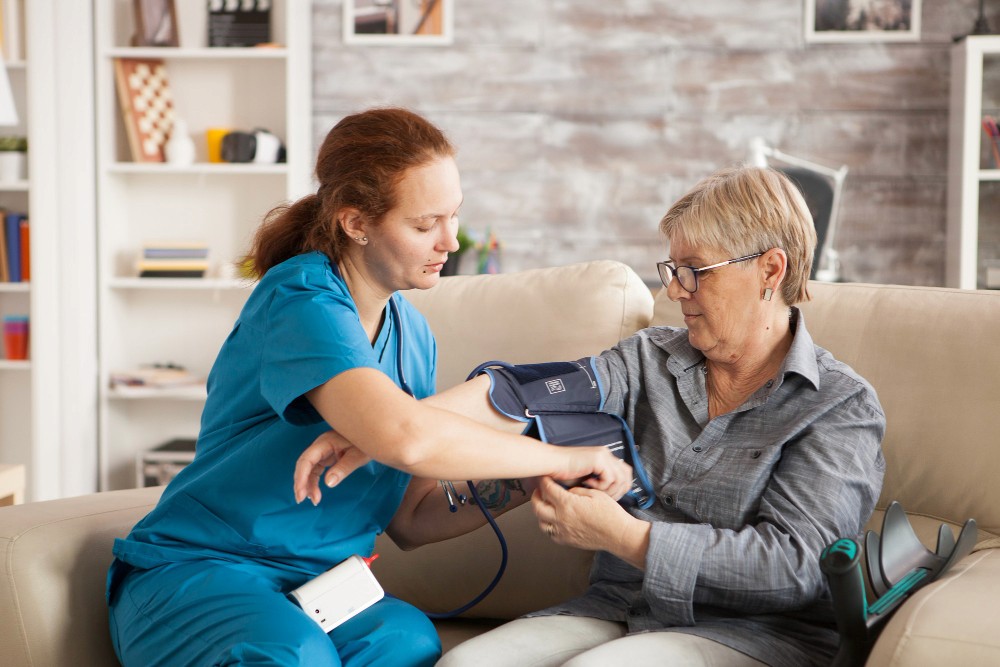
Proactive monitoring helps identify early warning signs through continuous data tracking—so care teams can act fast, not late.
Sign 2: Reactive Care Is Costly
Emergency visits and hospital readmissions often result from delayed responses.
By catching issues early, proactive monitoring reduces both medical costs and emotional stress, turning healthcare into a process of prevention rather than rescue.

Sign 3: Patients Want Control
Many people with chronic conditions feel disconnected from their care, unsure of what’s working.
Real-time updates and personalized insights help patients make informed choices daily—creating confidence, independence, and a stronger sense of partnership with their care team.
Sign 4: Families Need Peace of Mind
For loved ones, uncertainty is the hardest part. They want assurance that someone is always watching over their family member’s health.
Proactive systems provide that visibility—alerting healthcare teams and families when something changes, long before it becomes dangerous.
Sign 5: Healthcare Teams Need Better Insights
Without continuous feedback, clinicians can only act on partial information.
Proactive monitoring turns scattered data into a clear picture of a patient’s health journey, guiding smarter decisions and more effective interventions.
Key Lines for "The Artisan Alley"
Stay connected. Stay informed. Stay ahead.
Continuous health insights for early action
Real-time collaboration between patients and providers
Prevent emergencies through early detection
Build confidence, connection, and care that lasts
Conclusion
The best healthcare doesn’t wait—it anticipates.
Proactive monitoring helps patients, families, and providers work together to prevent crises, not just respond to them. It’s about turning uncertainty into confidence and data into action—so everyone can move forward with peace of mind and better health.
Because staying ahead isn’t just smarter care—it’s human care.

//
More Stories
Related Stories
Explore articles on senior wellness, caregiving tips, memory care advice.